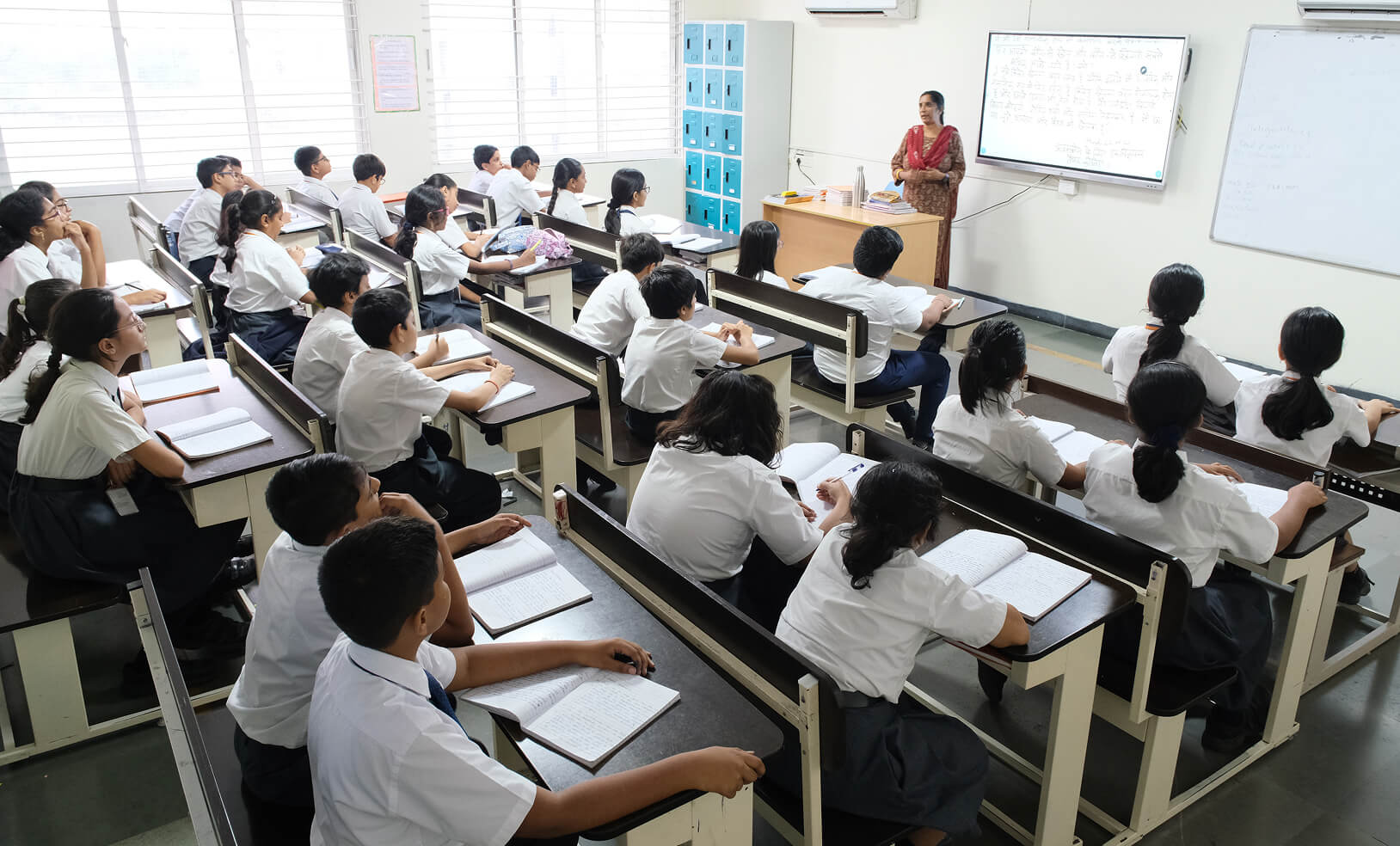
Why Safe School Environments Matter
“What does the term ‘safe’ mean to the child in today’s complex world of technology and social anxieties?” And most importantly, “Why has school safety become the keystone around which all current philosophies of education now seem to centre?”
“Safety” in schools may still have referred to merely locked gates and fire drills. However, the realisation is dawning on us that safety is so much more than that. A safe space is one where the child’s physical, psychological, and technology-based security is just as fiercely protected. A more compassionate world is only going to emerge when this more holistic concept of “safety” is incorporated. Children will no longer just “survive” when they feel safe; they will “thrive.”
Let us ponder over the topic in discussion and discover why the architecture of safety is the silent engine of academic excellence, and how we can ensure our institutions remain the hallowed grounds they were meant to be.
Safety-Definition: Beyond the Perimeter
But to understand why safety in school is paramount, we should first redefine what it means. Whereas safety used to be viewed using purely physical criteria, today we understand that a safe school environment is an ecosystem. It’s a space where a student knows that their voice will be heard, their identity will be respected, and their physical person will be protected.
When we speak about school safety, we are talking about the “Invisible Shield.” This shield is built through strong relationships between teachers and students, clear expectations about behaviour, and a culture that denies bullying in all its forms. It’s the peace of mind that allows a student to walk onto campus and leave the defences at the door, opening their hearts and minds to the lessons of the day.
The Neurological Link: The Role of Safety in Learning
The idea that the best results can only be found in high-pressure environments is a myth. The human brain is programmed for survival before it is programmed for algebra. As we examined in our conversation on Social Emotional Learning, the “thinking” part of the brain, the prefrontal cortex, cannot work correctly when the “alarm” part of the brain, the amygdala, is stimulated by stress and feelings of being left out.
A student feeling threatened in the hallway or on the playground is sure to have his or her brain in the “fight or flight” mode. This condition forces the doors of cognition to be shut and banged shut. Thus, the issue of school safety is no longer an “extra” or something luxurious—it is a neuroscience requirement in education. A school which neglects the issue of the emotional and physical safety of the student is no different from a farmer planting crops in icy soil. By taking school safety as our priority, we can thaw the soil in which the seeds of curiosity are planted.
The Pillars of a Safe School Environment
To successfully drive a culture of security, we must look at the specific ways schools can support this mission. It is not about a single policy, but rather interweaving the thread of security into the very fabric of the educational environment.
1. Physical Infrastructure and Vigilance
We cannot ignore the basic need for a secure physical space. Modern school safety requires a balance between being an open, welcoming learning centre and a fortified space. This includes everything from controlled entry points and CCTV monitoring to well-lit hallways and supervised common areas. However, the best physical security is often the “human element”—staff members who are trained to be observant and proactive, ensuring that the campus remains a sanctuary for learning.
2. The Digital Frontier
The world has changed beneath our feet. Today, a student’s social circle is worldwide and accessible 24/7. Consequently, school safety now extends into the digital realm. Schools must be leaders in teaching digital citizenship, helping students navigate the “culture of validation” and protecting them from cyberbullying. A safe school is one where the digital footprint of the student is guarded with the same care as their physical presence.
3. Emotional and Psychological Security
A truly safe environment is one where “Restorative Practices” replace purely punitive discipline. Rather than just asking “What did you do wrong?”, we must ask, “How can we make this right?”. This shift in dialogue is a cornerstone of school safety, as it ensures that students feel safe enough to take risks, make mistakes, and grow from them without the fear of being marginalised or shamed.
The Shift: Why the Urgency is Greater Today
It is pertinent to pause and question the role of school safety in being elevated from “Yesterday’s Extra” to “Today’s Essential.” In the “long-forgotten paradigm” of the industrial era, the school was a factory. When children were lonely or scared at home or at school, they were advised to “leave it in the locker.”
But we do not live in an era of factory workers; we live in the Age of Complexity. There has been a rise in the popularity of comprehensive school safety initiatives, because there is a Global Mental Health Crisis. We find ourselves having shifted from a “knowledge first” approach to a “human first” approach, but this is only because we recognise that the “knowledge first” approach isn’t sustainable without the “human first” approach. We are raising a generation of children in a world where the internet moves at high speeds, but the connections are very slow.
Breaking the Cycle of Exclusion
One of the most profound benefits of prioritising school safety is the reduction of bullying and social isolation. Most aggression stems from a lack of security. When a school fosters a culture where every individual is celebrated for their unique strengths, the “otherness” that often leads to conflict is replaced by empathy.
By making school safety a part and parcel of every institution, we are teaching students that they don’t have to put others down to lift themselves up. We are creating a “psychological toolkit” that allows them to navigate social friction with grace rather than aggression. This is the greatest defence we can give them against the long-term effects of social anxiety.
An Afterword
In today’s competitive world where every teenager wants to replicate a make-believe social media star, we must remember that achievements mean nothing if the soul is weary and the heart is afraid. Raising students without a sense of security will set the stage for a disastrous world. We need to teach them that while they pursue their endeavours, they are protected, valued, and safe.
This is precisely the role of school safety—to churn out beautiful children and make them feel secure enough to be kind and empathetic for a beautiful future ahead. Young minds absorb wisdom like sponges, and when they absorb the feeling of safety, they reflect that peace back into the world.
Investing in school safety is no more an option; it is a necessity driven by the current world needs.
Phoenix Greens School of Learning brings to you the best of excellence and balance. We believe that a child’s potential is unlocked only when they feel truly at home within our walls. Visit us to witness a space that is equipped with world-class infrastructure and expert mentors for the all-round development of your child. Together, let us build a sanctuary where every child can soar.