Why School Infrastructure Matters in Child Development
Children react to more than just teachers and lesson plans when they go to school every day. How light enters a classroom, how furniture is organised, and how freely children can roam about a space all gradually impact their regular school experience. Students’ behaviour, interactions, and attitudes towards learning are influenced by these specifics. Carefully designed school spaces create consistent learning patterns, develop pleasant routines, and help in a child’s entire development, confirming the true importance of school infrastructure at every educational level.
Why Safety Matters in Schools?
A Secure Setting for Daily Learning
A child’s mind is free from distractions when they feel secure at school. Students can walk freely around the campus and focus entirely on their studies because they have simple rules in place to prevent risk.
2. Essential Safety Components
Emergency escape routes and fire exits should be properly visible.
Safe entry points and boundary fencing.
Playground equipment designed to reduce the risk of injury.
Proper lighting and monitored areas across the campus.
2. Using Safety to Boost Self-Assurance
Students can participate in class with confidence when the school is safe. The school community’s learning is supported and trust is strengthened when safety is added in regular activities.
How Classrooms Affect Students' Learning Results?
Classroom arrangement has a direct impact on students’ focus and level of participation.
Important classroom features:
Large seating arrangements to reduce disturbances.
Natural sunlight and adequate ventilation.
Cosy furniture appropriate for various age groups.
The adoption of technology, such as projectors or smart boards.
Better academic achievement is encouraged in a well-organised classroom, highlighting the importance of school infrastructure in education.
Areas That Encourage Exercise
For a child’s development, physical activity is essential. Exercise-focused areas in schools promote healthy development.
Physical infrastructure examples include:
Sports facilities both indoors and outdoors.
Playgrounds with climbing frames, swings, and slides.
Safe running tracks or open fields for games.
Structured physical education in gymnasiums.
Students who practice an active lifestyle are healthier, more attentive, and more ready to take part in educational activities.
Encouraging New Ideas and Problem Solving
Schools play an important role in helping children think independently and approach challenges with confidence. Well-planned spaces allow students to explore, experiment, and work together in meaningful ways.
Infrastructure that supports idea-building:
Innovation labs where students test and explore concepts.
Open areas designed for group discussions and teamwork.
Classrooms equipped with interactive learning tools.
Practical areas for construction, design, and other jobs.
Adaptable furniture that makes it simple for students to move around and change locations.
Free areas for experimentation, learning, and development.
These learning areas clearly show the importance of school infrastructure in encouraging students’ creative thinking and practical abilities.
Building Social Skills Through Interaction
Schools are not just for academics; they are social spaces where children learn to communicate, share, and collaborate.
Supporting social growth through infrastructure:
Group work areas and discussion corners.
Cafeterias or common rooms for socialising.
Outdoor gathering spaces for events and activities.
Areas for team sports and group exercises.
A well-planned environment allows children to build empathy, cooperation, and teamwork skills naturally.
Ensuring Inclusivity for All Students
1. Accessible Physical Spaces
Ramps, elevators, and wide corridors ensure students with mobility challenges can move around the school safely. Thoughtful layouts allow every child to participate in daily activities without difficulty.
2. Specialised Learning Support
Classrooms with adaptive furniture and learning aids cater to differently-abled students. These resources help all children access the curriculum effectively and comfortably.
3. Inclusive Facilities and Resources
Every student can move around the campus with dignity and freedom when restrooms, cafeterias, and common areas are made readily available. Such thoughtful planning clearly reflects the importance of school infrastructure in building learning environments where all students feel supported and included.
Developing Calm and Cosy Learning Environments
When classrooms are carefully designed, kids feel more at ease. They can stay focused and enjoy studying with the help of simple things like comfortable chairs, fresh air, and quieter areas. This represents the importance of school infrastructure in daily school operations.
Increasing School Environmental Awareness
Children get to learn the importance of environmental protection through school infrastructure. From a young age, thoughtful design promotes eco-friendly behaviours.
Green initiatives:
Setting up solar panels and energy-saving lights.
Systems for collecting rainwater to preserve water.
Recycling containers and appropriate disposal of garbage.
School gardens and outdoor classrooms for experiential education.
Making use of sustainable and environmentally favourable building materials.
Encouraging green areas for outdoor education and discovery.
Integrating these practices highlights the importance of school infrastructure in shaping environmentally responsible students.
Including Technology in Everyday Education
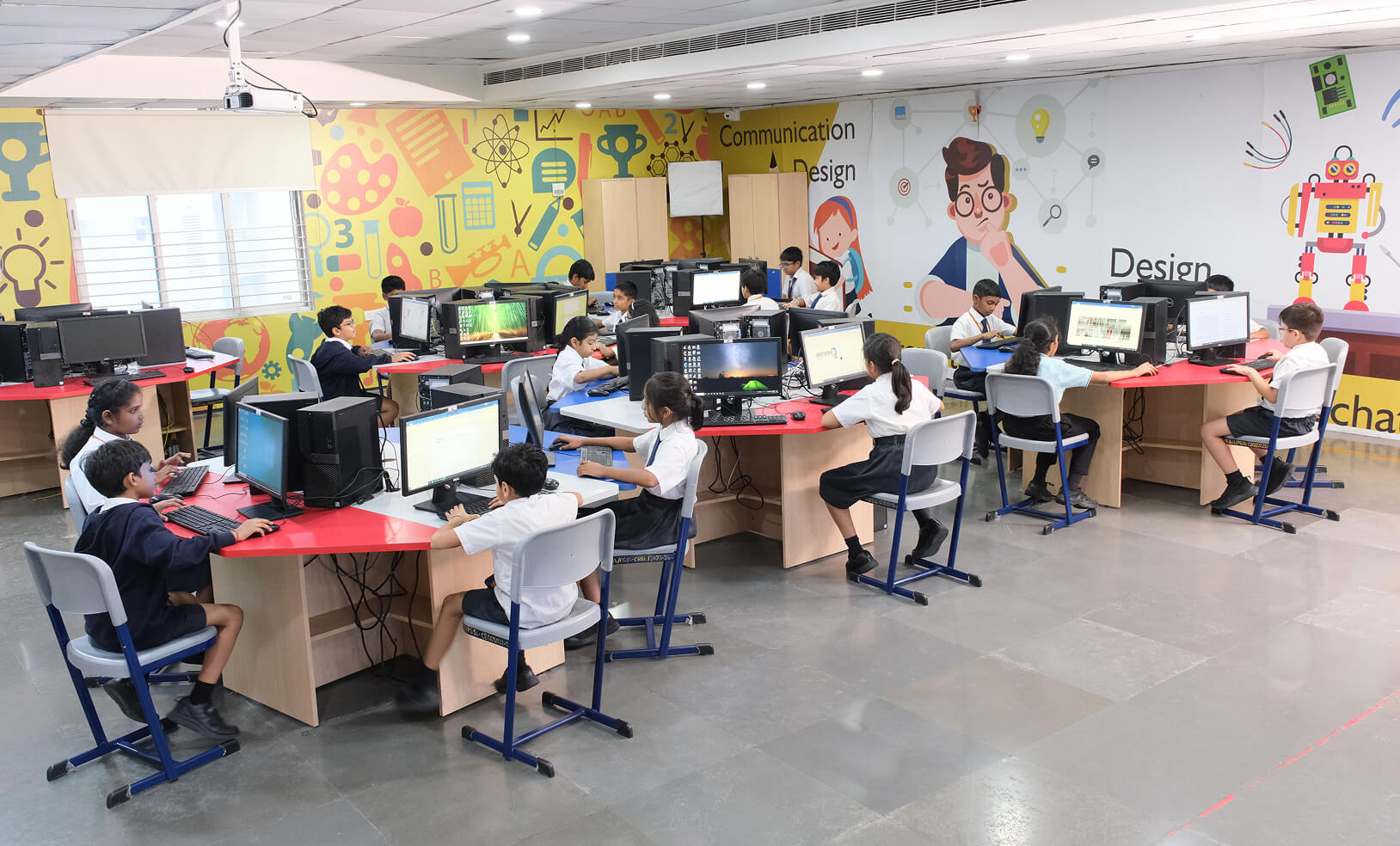
Technology plays a major role in modern schooling. Teaching and learning can be improved in schools with appropriate infrastructure.
Infrastructure with a technological focus:
White boards that are interactive in smart classrooms.
Computer labs equipped with modern software.
Wi-Fi-enabled campuses.
Virtual learning tools and collaborative platforms.
Technology integration is a key aspect in the importance of school infrastructure, preparing children for future careers.
Supporting Teachers with Proper Facilities
Teachers are central to education, and they need suitable spaces to plan, teach, and collaborate.
Teacher-friendly infrastructure includes:
Staff rooms for planning and relaxation.
Training halls for professional development.
Meeting rooms for parent-teacher discussions.
Efficient administrative offices.
When teachers are supported, students benefit, showing the wider importance of school infrastructure beyond classrooms.
Enhancing Learning Through Well-Designed Libraries
Libraries are crucial for developing reading habits and independent learning.
Effective library infrastructure:
Quiet, well-lit reading areas.
Shelves with age-appropriate and diverse books.
Study corners for group or individual learning.
Digital resources like e-books and online databases.
A functional library highlights the importance of school infrastructure in encouraging knowledge and research skills.
Designing Outdoor Areas for Exploration and Play
Outdoor areas are more than playgrounds; they are spaces for exploration, learning, and nature interaction.
Key features:
Open fields for free play.
Outdoor classrooms and gardens.
Nature trails or small experimental plots.
Spaces for group games and physical challenges.
Thoughtful outdoor design strengthens the understanding of importance of school infrastructure in holistic child development.
Improving Focus with Proper Lighting and Ventilation
Classroom environments impact student attention and energy levels.
Considerations for optimal learning spaces:
Large windows for natural sunlight.
Well-maintained ventilation systems.
Air quality control for healthier learning.
Balanced artificial lighting to reduce strain.
Lighting and airflow may seem minor, but they recognise the importance of school infrastructure in creating effective learning spaces.
Providing Dedicated Art, Music, and Performance Rooms
1. Music Rooms
Well-equipped music rooms with instruments allow students to explore rhythm, melody, and performance. They help children develop creativity and confidence through practical learning.
2. Art Studios
Art studios stocked with materials and easels give students space to experiment and express themselves visually. These spaces encourage imagination and fine motor skill development.
3. Drama and Performance Halls
Dedicated halls for drama and performances allow children to act, present, and build public speaking skills. They build teamwork, confidence, and self-expression.
4. Display and Exhibition Areas
Student work displays honour achievements and motivate students. Exhibitions indicate the value of school infrastructure outside of the classroom by showing talent, motivation, and the school’s creative culture.
Encouraging Healthy Habits with Suitable Cafeterias
1. Friendly Dining Areas
There should be plenty of space for students to sit, walk, and eat comfortably in a cafeteria. Meals become a peaceful part of the school day rather than a hurried task when the area is neat and relaxing.
2. Regular Exposure to Healthier Food Options
Over time, children who have regular access to balanced meal alternatives are better able to develop consistent eating habits. These everyday decisions subtly boost students’ energy and focus in class.
3. Systems that Facilitate Smooth and Clean Service
Delays and health issues are reduced by well-thought-out layouts, spotless surfaces, and effective service spaces. The importance of school infrastructure in controlling students’ well-being outside of the classroom is seen in this kind of planning.
Planning for Future Growth and Modernisation
Schools need to be ready for changing demands in education. Innovative infrastructure guarantees that learning environments stay current and flexible.
Infrastructure that is progressive:
Flexible classroom designs.
Spaces that can be repurposed easily.
Technology-ready facilities.
Expansion plans for future student numbers.
Incorporation of sustainable energy solutions.
Dedicated areas for future extracurricular or innovation programmes.
Planning ahead demonstrates long-term importance of school infrastructure.
Reflecting School Values Through Thoughtful Design
A school’s design can show its core values and support a positive learning environment. Thoughtful layouts, colours, and spaces help students feel included and inspired.
Key design elements:
Inspirational wall displays or murals that motivate students.
Use of eco-friendly and sustainable materials.
Spaces for community events and cultural activities.
Symbols of inclusivity and collaboration throughout the school.
Conclusion
The school infrastructure involves far more than actual buildings. Every factor affects a child’s development, from safety and academics to creativity, social skills, and wellbeing. Well-designed facilities give kids a sense of safety, inspiration, and motivation to learn. Putting money into school infrastructure guarantees that teachers receive help, overall development of children, and schools are ready for the future. The importance of school infrastructure lies in helping students develop learning skills, confidence, and social awareness.
Flourish academically and personally in a caring, well-designed learning environment at Phoenix Greens School, where thoughtful infrastructure supports every child’s growth.
Contact us right now to find out more about our curriculum!