The Role of Values & Ethics in School Education

Academics April 10, 2026

The Role of Values & Ethics in School Education

In a digitally forward world, where real human connections are slowly getting replaced by virtual equations, human voices are getting substituted by AI chatbots and real human beings are being represented by their digital avatars, what is the role of values and ethics? A valid question that can pop up in the minds of any individual, let alone parents!

When the world has become transactional, is there any space or importance of the values and ethics that were passed on to us by great people, philanthropists and change makers? The only logical answer to this can be: Yes, because as the world becomes more artificial, our humanity and authenticity become our only true currency. Schools and educational institutions being the first centres of exposure to your child bear an even higher responsibility of driving value-based education and incorporating values and ethics in school education.

In this article we dive deep into how and why schools must impart value-based education to nurture better individuals who will shape the world in the future.

Value Based Education in Schools: What Does it Include?

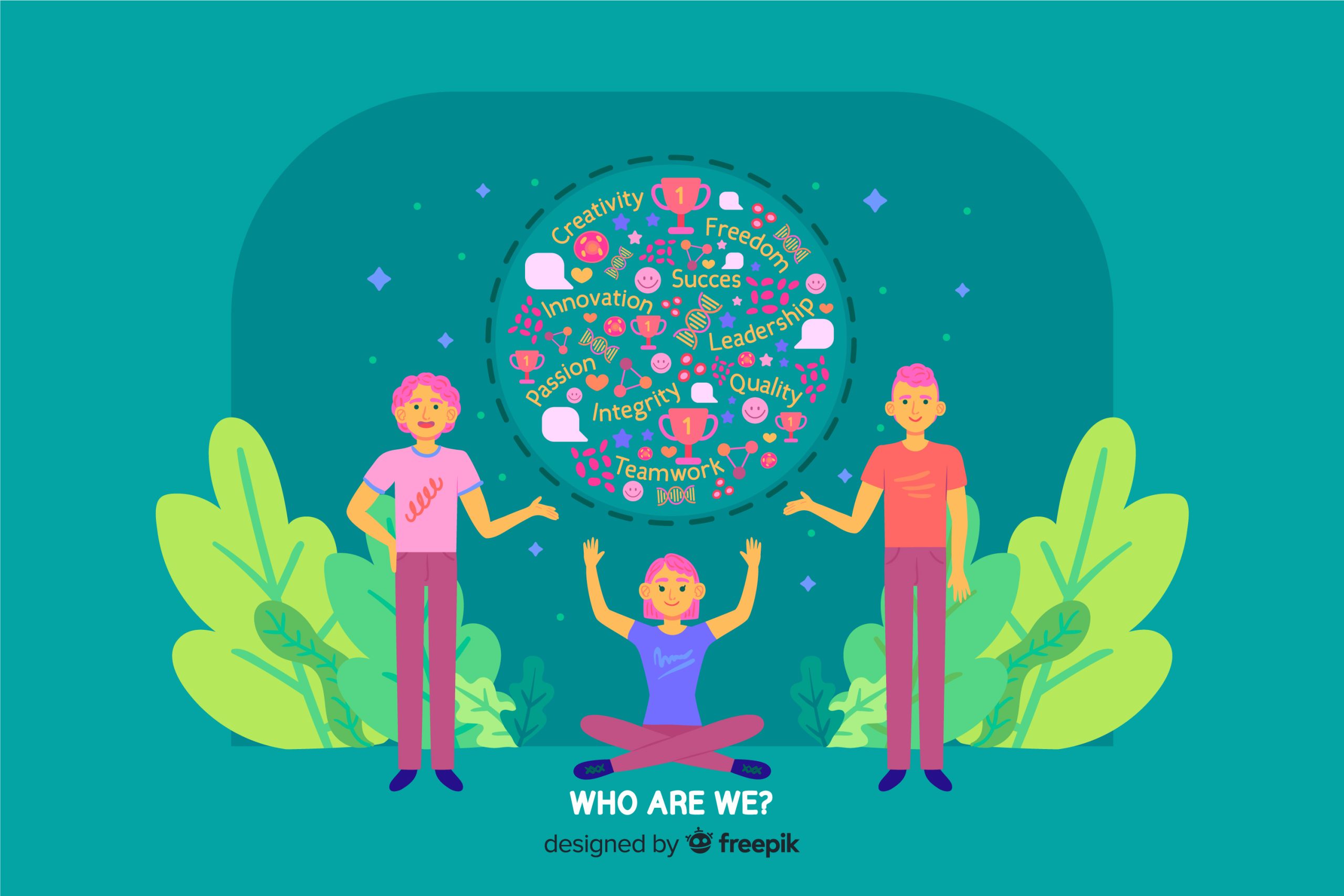
Value-based education in schools is about teaching everything from honesty, respect, responsibility, to equality and sympathy to students.

The Moral Compass in a High-Tech World

When we speak of value-based education, what we are discussing is not merely what constitutes the set of “dos and don’ts” that appear on the wall of the classroom but rather the internal guide that the child follows that has nothing to do with the parent, the teacher, the principal, and the school watching over them all the time. In today’s world where one could employ an algorithm to write an essay and also employ the use of deepfake to pull off a prank, the difference between what one can and what one should has come to be remarkably thin.

Building Character Through Daily Practice

But how does the school really “teach” the value? Not through a textbook. The value of the school experience is learned not through the formal curriculum but through the experience of the school day. Value-based education is seen in the sports coach who teaches the team to lose with grace and to win with humility. Value-based education is seen in the school when it deals with an argument between friends, shifting from punishment to “Restorative Justice,” in which the goal is restoration, rather than simply punishing the offence.

The Antidote to Digital Isolation

We often see the younger generation “connected” to thousands of followers while feeling entirely alone. This paradox is why value-based education must focus heavily on empathy and social responsibility. In a digital world, it is easy to forget that there is a human being behind the screen. Schools have the unique opportunity to bring children back to the “real,” teaching them to look into the eyes of their peers and understand a perspective different from their own.

By fostering a culture of value-based education, schools encourage students to look beyond their own needs. Whether it’s through community service projects, peer-to-peer mentoring, or simply practising active listening in the classroom, students begin to realise that they are part of a larger human tapestry. This sense of belonging and responsibility to others is what ultimately prevents the “transactional” mindset from taking over their lives.

The Courage to Be Ethical

It takes no effort to follow a crowd, but it takes immense courage to stand up for what is right. A robust value-based education gives students the “moral muscles” to withstand peer pressure. When a school culture celebrates kindness over “clout” and honesty over shortcuts, it empowers children to be the “odd one out” for the right reasons.

In the professional world of the future, these children will be the ones who refuse to compromise on safety standards, who advocate for fair wages, and who treat their subordinates with respect. They will be the leaders who prioritise people over profits because their value-based education taught them that human dignity is non-negotiable.

Critical Thinking Meets Moral Reasoning

There is a common misconception that ethics are “soft” while science and maths are “hard.” In reality, applying ethics requires the highest form of critical thinking. Value-based education challenges students to grapple with complex dilemmas. Should a doctor tell a white lie to spare a patient’s feelings? Is it fair to use a resource today if it leaves nothing for the children of tomorrow?

By introducing these discussions early, schools ensure that students don’t just memorise facts, but learn to evaluate the impact of those facts. Value-based education turns a student into a philosopher-king of their own life, capable of navigating the grey areas of the modern world with a steady hand and a clear conscience.

Nurturing Global Citizens

Our world is no longer divided by physical borders as much as it is by ideological ones. Value-based education is the bridge that can span these divides. When students are taught to value “Equality” and “Respect” as universal truths, they become global citizens who see the humanity in everyone, regardless of nationality or background.

In a school that truly lives out value-based education, diversity is not just tolerated—it is celebrated as a source of strength. Students learn that their own culture is a beautiful thread, but the whole carpet is what matters. This global perspective is essential for the next generation of change-makers who will be tasked with solving problems like climate change and global inequality—issues that require a deep, ethical commitment to the “greater good.”

The Role of the Educator as a Mentor

Finally, we must acknowledge that value-based education cannot happen without mentors who embody these values. A teacher who admits when they are wrong, who listens with an open heart, and who treats every student with equal dignity is the most powerful textbook a child will ever read.

Schools that invest in value-based education also invest in the character of their staff. They understand that every interaction in the hallway, every comment on a report card, and every tone used in a lecture is a lesson in ethics. When the adults in a child’s life move with integrity, the child learns to do the same.

An Afterword

You may still hear random conversations that there is no place for values, ethics and emotions in this cutthroat competitive world the tiny toddler lives in. There is no room for empathy, humanity and kindness et al. But scratch the external surface of any individual, and you will see the need to be loved, accepted, valued and celebrated. Only a bot functions on prompts and instructions and delivers as per your whims and fancies. But the human mind works easily beyond input data and algorithms, it runs on intuition, gauging the emotions of the person in front, has moods and centres around meaningful connections and love.

When schools raise children with values and ethics the world will see more of Tagores, Van Goghs, Teresa, and saints and less of Hitler and war mongers. Today, your first priority should be imparting value-based education; AI and coding can be prioritised later! We need the future to be in conscious and skilful hands, not just bots!

Phoenix Greens School of Learning, is your future-forward seat of excellence in education. Visit us to experience our commitment and authenticity to nurture each student to develop them into world-class citizens that the world needs today.

Other Blogs

View All
Nurturing Creativity Through Visual Arts
Arts & Culture

Nurturing Creativity Through Visual Arts

Know More
Importance of Experiential Learning in Schools
Academics

Importance of Experiential Learning in Schools

Know More
How Schools Support Social-Emotional Learning
Academics

How Schools Support Social-Emotional Learning

Know More

(Admissions Open for 2025-26)

Let’s build your child’s future together

Admission Button