Schools play an essential role in developing mental and physical well-being. Children who play sports in schools get regular chances to stay active, improve their fitness, and build healthy habits that last. Physical education supports holistic education by developing physical fitness while also helping children learn cooperation, manage pressure, and stay committed to their goals.
Why Sports Matter in the School Years
The most essential years for both physical and mental growth are childhood and adolescence. During this time, children form lifetime habits. Regular exercise enhances their body control, strength, and coordination. Children start to view physical activity as a normal and enjoyable aspect of life when sports in schools are added in their everyday activities. This encourages them to have a positive view on exercise and health from an early age.
The Importance of Physical Education in K–12 Education
In the educational curriculum, physical education should have the same importance as academic courses. It enables kids to understand how their bodies work and the benefits of regular exercise for overall health. Students learn to respect structure, listen to rules, and participate fairly in activities throughout physical education classes. Learning goes beyond textbooks when sports are taught in schools as a core subject. Regular practice, physical activity, and real-world experiences help students learn. In a balanced manner, these activities promote mental, physical, and general growth.
Helping Children Stay Active and Healthy
Dealing with Regular School Schedule
Many students spend most of the school day by sitting. Planned activity is an essential part of the schedule because limited motion can impact both physical comfort and general awareness.
Increasing Stamina and Physical Strength
Children who exercise regularly gain endurance, strength, and balance. These health advantages promote improved posture and lessen tiredness during long school days.
Creating Structured Movement Opportunities
Students get assigned time for physical activity through school sports. Such an environment encourages healthy growth and reduces the risk of long-term health problems.
How Exercise Helps Maintain Emotional Balance
Regular exercise is an essential component that improves mental health. It reduces tension, anxiety and restlessness. Students typically feel happy and more relaxed when they participate in physical activities. Students who participate in school athletics have abilities to manage their emotions. It teaches students how to manage stress, maintain optimism, and maintain their mental balance in tough situations.
Enhanced Learning and Mobility's Relationship
Physical activity improves learning because it keeps students’ thoughts engaged and increases their level of participation during class.
How Brain Activity Is Supported by Movement
Regular sports in schools help children’s brains receive more oxygen, which improves attention and information processing.
Enhanced Focus and Behaviour in the Classroom
Students who play sports in school sports focus better in class, pay more attention, and settle in better after exercising.
Learning Discipline through Daily Practice
Regular involvement in sports helps children build discipline by teaching them the value of routine, effort, and responsibility.
Encourages children to practise regularly and stay committed.
Teaches patience and consistency over quick results.
Helps students follow instructions and respect schedules.
Through sports in schools, children learn to manage time better.
Supports disciplined behaviour in daily school life.
Building Friendships and Cooperation on the Field
Sports help children connect with others by encouraging teamwork, communication, and shared responsibility.
Brings students together through group activities and team play.
Teaches children how to work with others and share roles.
Improves communication and listening skills.
Through sports in schools, students learn to support and trust one another.
Helps children feel more confident and comfortable in social situations.
Growing Confidence through Participation
Participating in sports allows children to explore their abilities, improve gradually, and experience a sense of achievement that supports healthy self-belief.
Helps students to discover their skills and passions through practical experiences.
Requires consistent work and practice, which develops patience.
Makes it comfortable to explore new things without worrying about failure.
Improves connection and communication with teachers and classmates.
Promotes regular involvement in extracurricular activities at school.
Fairness, Respect, and Sportsmanship Lessons
Teaches students to respect decisions made during activities and to play by the rules.
Promotes fair play and deference to others.
Helps students in developing positive coping mechanisms for both winning and losing.
School sports teach kids the importance of ethics and honesty.
These principles encourage responsible behaviour and good deeds in daily life.
Opportunities for Children to Take the Lead
There are many opportunities for leadership development in sports. During events, students can take on the roles of team leaders, organisers, or assistants. These positions impart accountability and decision-making skills. Sports in schools teaches students how to lead others, communicate effectively, and take accountability for team results. These abilities equip individuals for leadership positions in the future.
Making Physical Activities Inclusive for Every Student
Inclusive physical activities ensure that participation is possible for all students, not just the most athletic ones.
Uses flexible rules so activities suit different ability levels.
Allows students to take part in roles that match their strengths.
Reduces pressure by focusing on participation, not performance.
Encourages mutual respect through shared experiences.
Helps every student feel included in school life.
Encouraging Active Lifestyles Beyond School
Schools help shape lifelong routines by introducing regular physical activity at an early age. Enjoyable sports experiences encourage children to stay active beyond their school years. Students learn that physical activity supports long-term health, not just academic performance. Sports in schools build an understanding of balanced living and personal responsibility for wellbeing.
Active Lifestyles at School
Making Facilities Accessible and Safe
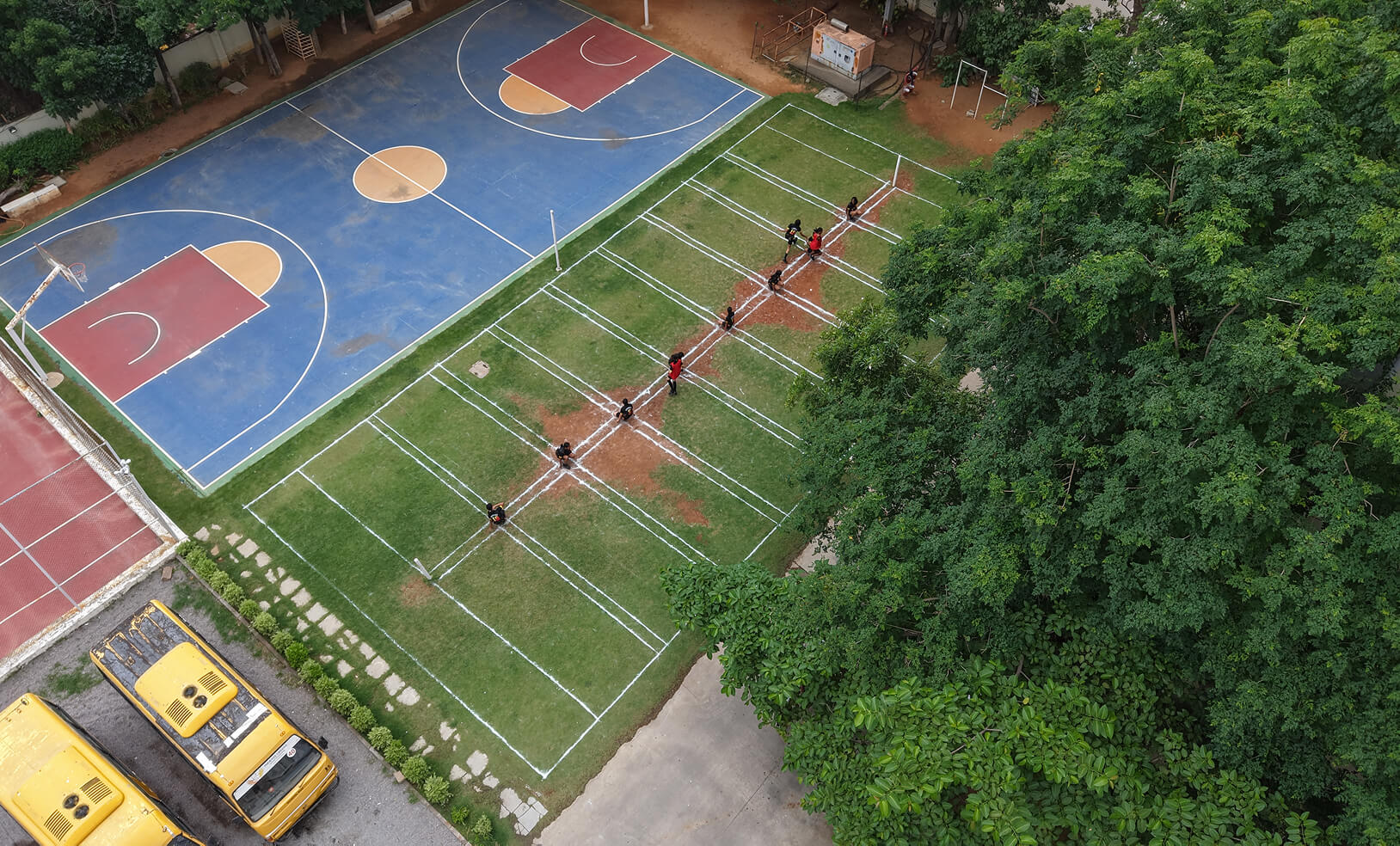
For every student who wants to participate in sports in schools and other physical activities without fear of injury, schools must have well-kept grounds, gyms, and equipment.
Helping Students with Skilled Teachers
Having qualified teachers ensures that children learn proper skills, follow safety regulations, and engage in a variety of activities that are appropriate for their age.
Encouraging a Lifelong Interest in Exercise
Strong sports programmes help children see physical activity as a normal part of everyday life, not just a school task.
How Families and Communities Strengthen School Sports
Support from parents plays an important role in a child’s interest in sports. Children feel more confident and focused when their families encourage physical activity. Community involvement also enhances school athletics by providing opportunities for events, competitions, and collaborative learning.
Educating Students for Future Beyond School
Children who play sports in schools acquire important life skills that enable them to tackle challenges outside of the classroom.
Develops interpersonal and collaborative skills.
Establishes a strong sense of responsibility and self-control.
Builds the ability to positively handle challenges and setbacks.
Through sports in schools, students gain confidence for real-life situations.
Provides skills that are useful both academically and socially.
Finding an Ideal Balance between Play and Study
Children can maintain their health, focus, and motivation throughout the school day by striking a balance between their studies and physical activities.
Playing sports gives you time to have fun and recharge.
Exercise restores energy for improved learning.
Playing and studying together makes school more fun.
Teaches students to prioritise education and physical fitness.
Promotes general emotional and mental health.
The Importance of Regular Physical Routines at School
Consistent physical activity ensures that children develop strength, stamina, and healthy habits from an early age.
Regular exercise improves fitness and energy levels.
Builds long-term healthy routines that continue beyond school.
Supports steady growth, coordination, and posture.
Encourages children to see movement as a natural part of daily life.
Strengthens overall physical and mental development.
Developing Positive Attitudes about Fitness at a Young Age
Students who have had positive childhood experiences with physical activity are more likely to see fitness as a happy and organic part of their daily lives.
Introduces movement as something enjoyable rather than forced.
Helps children understand the value of staying active for overall well-being.
Builds routines that support long-term physical health.
Positive experiences boost motivation and confidence in staying active.
Supports both physical and mental well-being from an early age.
Conclusion
During the K–12 years, physical education and sports are essential because they develop attitudes and behaviours that remain long after school. Students who are involved in regular physical activity develop resilience, discipline, and teamwork in addition to their physical health. When schools give the importance to sports activity which it deserves, they help students to develop into well-rounded people who are prepared to take on problems in the real world with assurance and accountability.
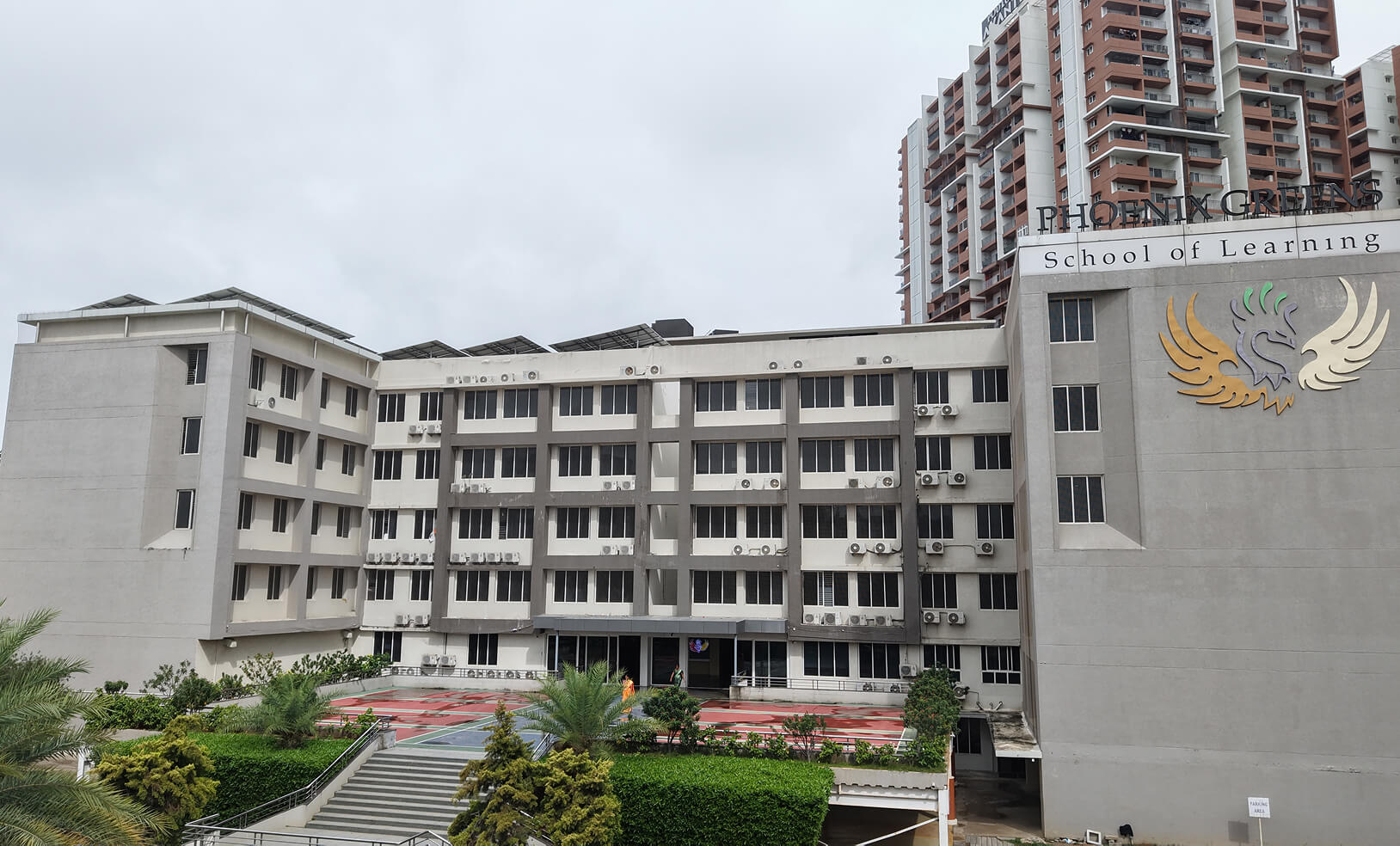
Phoenix Green School encourages students to build confidence, strength, and lifelong skills through sports and physical education.
Contact us right now to find out more about our curriculum!