How Technology Enhances Classroom Learning

Academics January 19, 2026

How Technology Enhances Classroom Learning

Before we set out on this journey, there are some primal questions with which we commonly wrestle. Is the integration of digital tools a need in the modern classroom, and what is the basic application of the integration of these tools into education in the first place—from the point of becoming an indulgence to becoming an essential hub of education discussion? Can we perceive the positive change brought about by the introduction of digital tools in education in the school once its adoption is embedded into its fabric fully?

Even as the speed of the digital revolution may feel dizzying to us at times, the integration of technology within education is an idea that involves more than the mere use of screens and applications; rather, it is about building an expansive environment that includes all students. Now, let us examine these developments further to see more specifically how the classroom is being revolutionised by these developments and what can be accomplished by incorporating digital literacy education effectively within learning institutions.

What is Technology-Enhanced Learning?

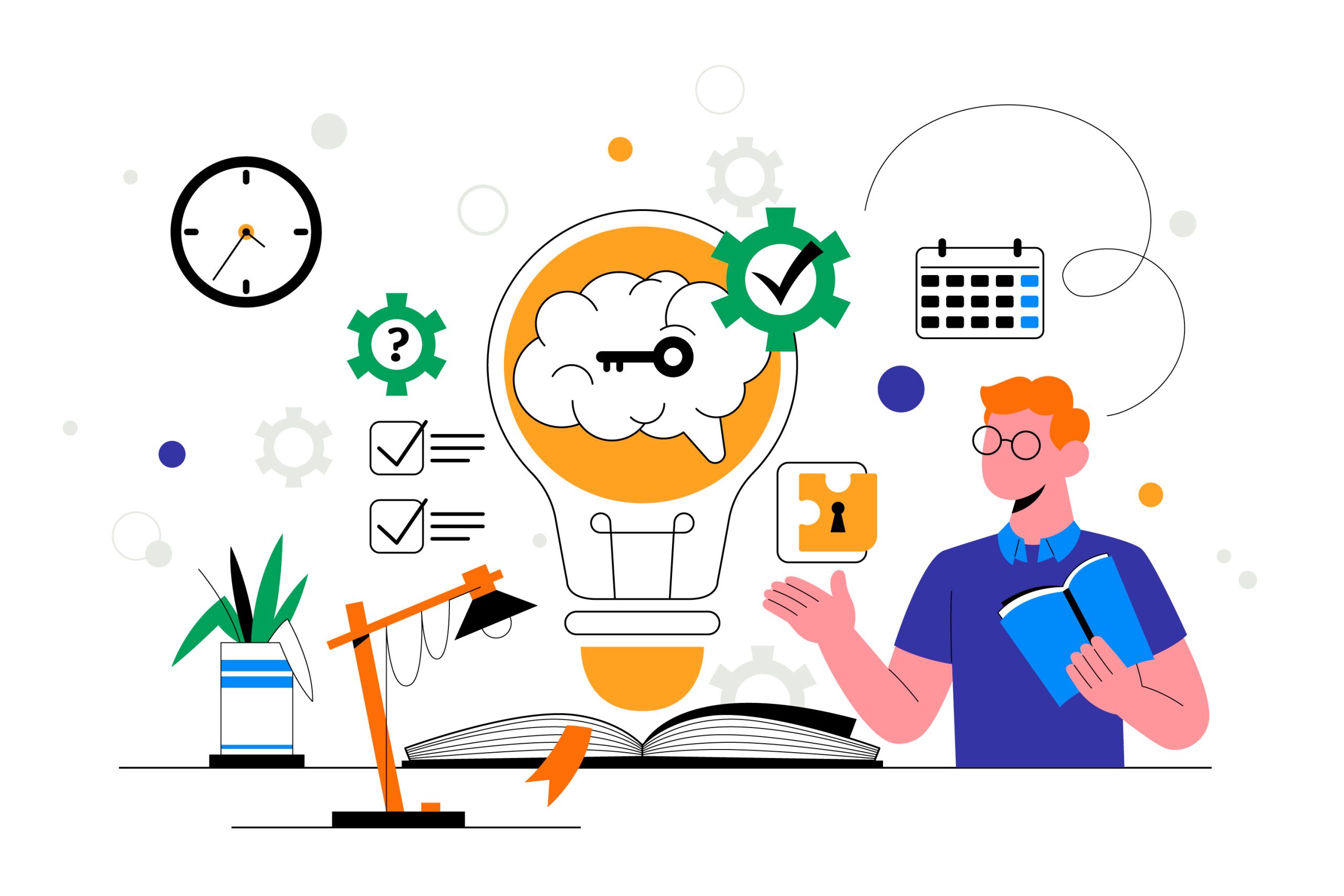
Technology in education, in the modern school, is an intentional use of digital resources, from interactive whiteboards and AI-driven platforms to collaborative cloud software, to deeply engage students. It isn’t about replacing the teacher but rather empowering the mentor to provide a more personalised, responsive, and immersive experience that prepares them for a world that is already digital-first.

Key Pillars of Digital Integration

To succeed in this shift towards a tech-forward classroom, educators must understand what makes it effective:

  • Personalisation: The use of adaptive software to tailor the speed and substance of lessons to students’ particular needs.
  • Active Learning: From passively listening to interactive simulation-based and game-based learning.
  • Global Collaboration: Breaking the four walls of classrooms in which students can share and work with peers or any expert from any part of the world.
  • Data-Informed Instruction: How to leverage real-time analytics to identify learning gaps before they become hurdles.
  • Digital Citizenship: This module will teach the ethics of the internet, focusing on safety and credibility and how to communicate responsibly.

How Can Schools Provide Support for Digital Learning?

It is not just about issuing tablets on a Tuesday morning and hoping for the best. Integration with education requires a very systemic, thoughtful approach in which digital tools are actually interwoven into the very core of the curriculum. For that to happen, implementation needs to be purposeful above all, supporting that very human connection at the heart of teaching.

One of the most commanding strategies is the Blended Learning Model. It does not require choosing between a screen and a textbook; instead, it combines the best of both. For example, a science teacher can take students on a “field trip” inside a human cell using a VR headset, after which students would carry out an authentic lab experiment. In this way, it shows students that technology in education isn’t a subject unto itself, but rather a powerful lens through which to explore the physical world.

Another vital leg is that of Professional Development. We should not forget that “the teacher is the architect of the classroom.” If he/she feels nervous about a particular piece of software, rest assured that the children will pick up on that tension. A textbook example of what needs to happen in the classroom is when a teacher employs a collaborative digital whiteboard to brainstorm with the children. They are then presenting a living example about how solutions to problems can be achieved in the 21st century.

Moreover, the development of Accessible Digital Ecosystems is crucial. What that looks at is the selection of tools that are text-to-speech enabled, offer font size flexibility, and are multi-language enabled. Because we utilise technology for inclusiveness in education, we assure that every student, despite their different needs, gets an equal seat at the table. We can finally shift the conversation from “Can Everyone Keep Up?” to “How Can We Help Everyone Soar?”

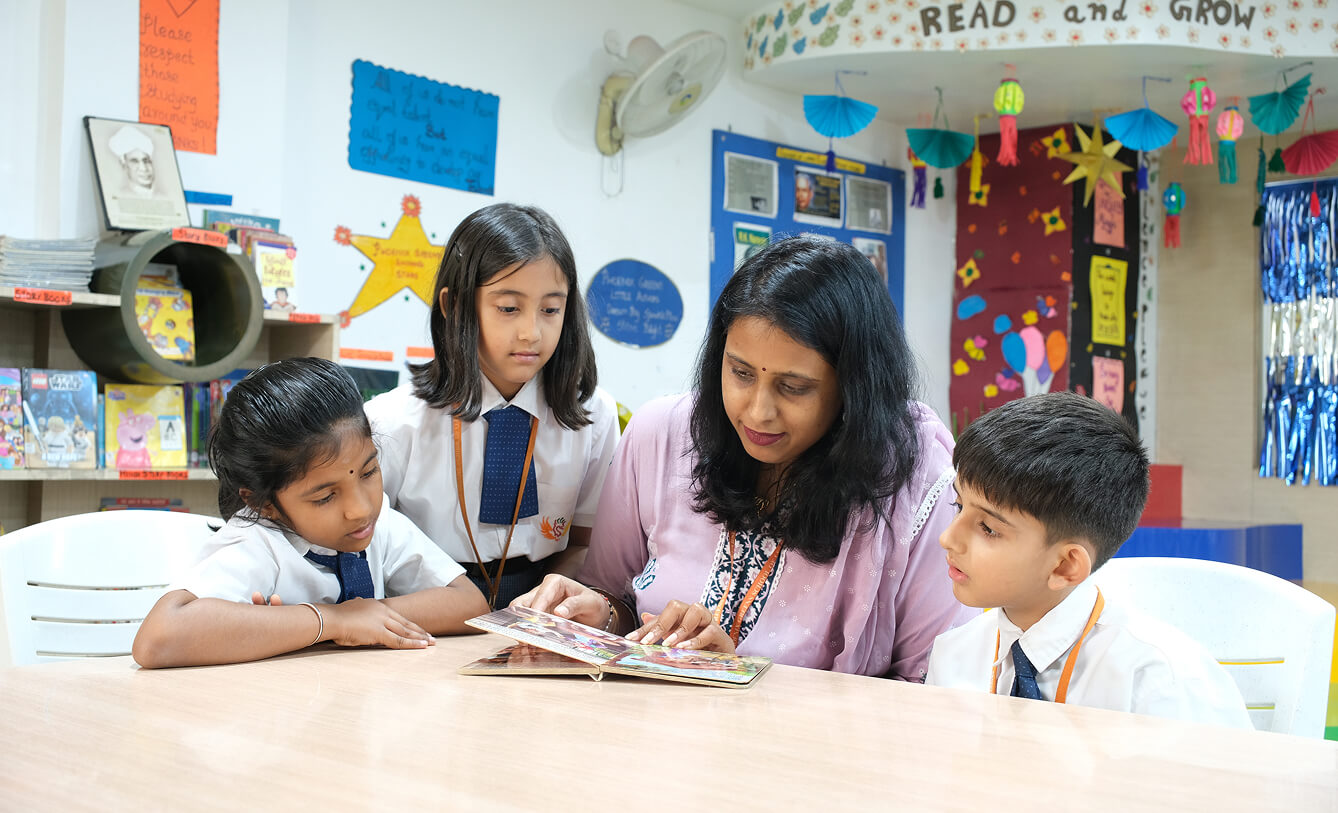
Finally, Peer-to-Peer Tech Mentorship allows students to take ownership of their digital environment. When students help one another navigate a coding challenge or a complex research database, they are practising leadership in real-time. In these moments, technology in education moves from a static tool to a lived, social experience.

The Shift: From "High-Tech" to "High-Impact"

There’s a natural tendency to glance backward at the “chalk and talk” era with a sense of nostalgia. The school functioned in a not-too-different way from factories in those days: to produce workers who could follow instructions and memorise facts. But the world has changed beneath our feet. We’re no longer living in an era of information scarcity; we’re in the Age of the Attention Economy.

The sudden need for technology in education is a response to this new reality. A child today is not just competing with the student in the next desk; they are entering a global marketplace which demands digital fluency. We have moved from a “knowledge-retention” model to a “knowledge-application” model because we’ve realised that knowing a fact is less important than knowing how to find, verify, and use that fact.

Why is Digital Integration Important?

The advantages of making technology a priority in education go far beyond higher test scores; they act as a toolkit for a successful life.

Theoretical Precision vs. The "Adaptive Brain"

It is an educational truth that children make best sense of what is being taught to them if they are presented with material that is challenging, but not so challenging that it is unattainable—what is often referred to as the ‘zone of proximal development.’ This is exactly what adaptive algorithms offer, or what might be referred to as ‘Goldilocks’ levels for each and every student. Students using interactive educational tools that offer instantaneous feedback retain information at incredible rates, research has shown.

Future Proofing for a Changing Landscape

The workplace today is a place not only where what you know matters but how you adjust. Kids through technology integration in education learn “soft” skills in the digital arena of problem solving, collaboration, and data analysis since these skills will be the greatest assets they will ever own. They are not only learning the use of the computer; they are learning to be agile in a changing world.

Bridging the Accessibility Gap

Most learning barriers are consequences of a “one-size-fits-all” teaching method. As we welcome technology into education, we can begin to see “difference” not as something that must be overcome but as a different learning style—one that will be accommodated. Whether it is a dyslexic student using an AI reader or a visual learner making use of 3D modelling, technology ensures that no mind is left behind.

An Afterword

The world is gearing towards enhanced automation and technology is advancing at a rampant rate. In today’s world adapting to the latest norms and practices is the best way forward. Schools and seats of education must be equipped with the best of technology so that they prepare the child for a technology rich world. The optimal strategy is to incorporate technology and the human touch—a match made in heaven. This will ensure that we have the best of both worlds: unmatched creativity and increased efficiency.

At Phoenix Greens School of Learning, we believe in a harmonious blend of traditional values and modern innovation. Our campus is a space where world-class infrastructure meets expert mentorship, ensuring an all-round development that prepares your child for the complexities of the digital age. We invite you to visit us and witness firsthand how we balance academic excellence with the cutting-edge tools necessary for a future-ready education.

Other Blogs

View All
What Makes a Good K–12 School in Hyderabad? | Phoenix Greens
Academics

What Makes a Good K–12 School in Hyderabad? | Phoenix Greens

Know More
The Power of Performing Arts in Education
Academics

The Power of Performing Arts in Education

Know More
Shaping Young Minds Through Experiential Learning
Academics

Shaping Young Minds Through Experiential Learning

Know More

(Admissions Open for 2025-26)

Let’s build your child’s future together

Admission Button