Knowledge from school alone is not enough for students to be successful in this day and age. It is the duty of today’s schools to prepare students for a world that values teamwork, innovation, and problem-solving ability. The purpose of 21st-century skills education is to provide them useful talents that they can use outside of the classroom, such as critical thinking, effective communication, and the self-assurance to overcome obstacles. When these abilities are part of regular classroom activities, students are better prepared to handle real-world situations, not just academic activities.
Why Students of Today Require More Than Textbooks?
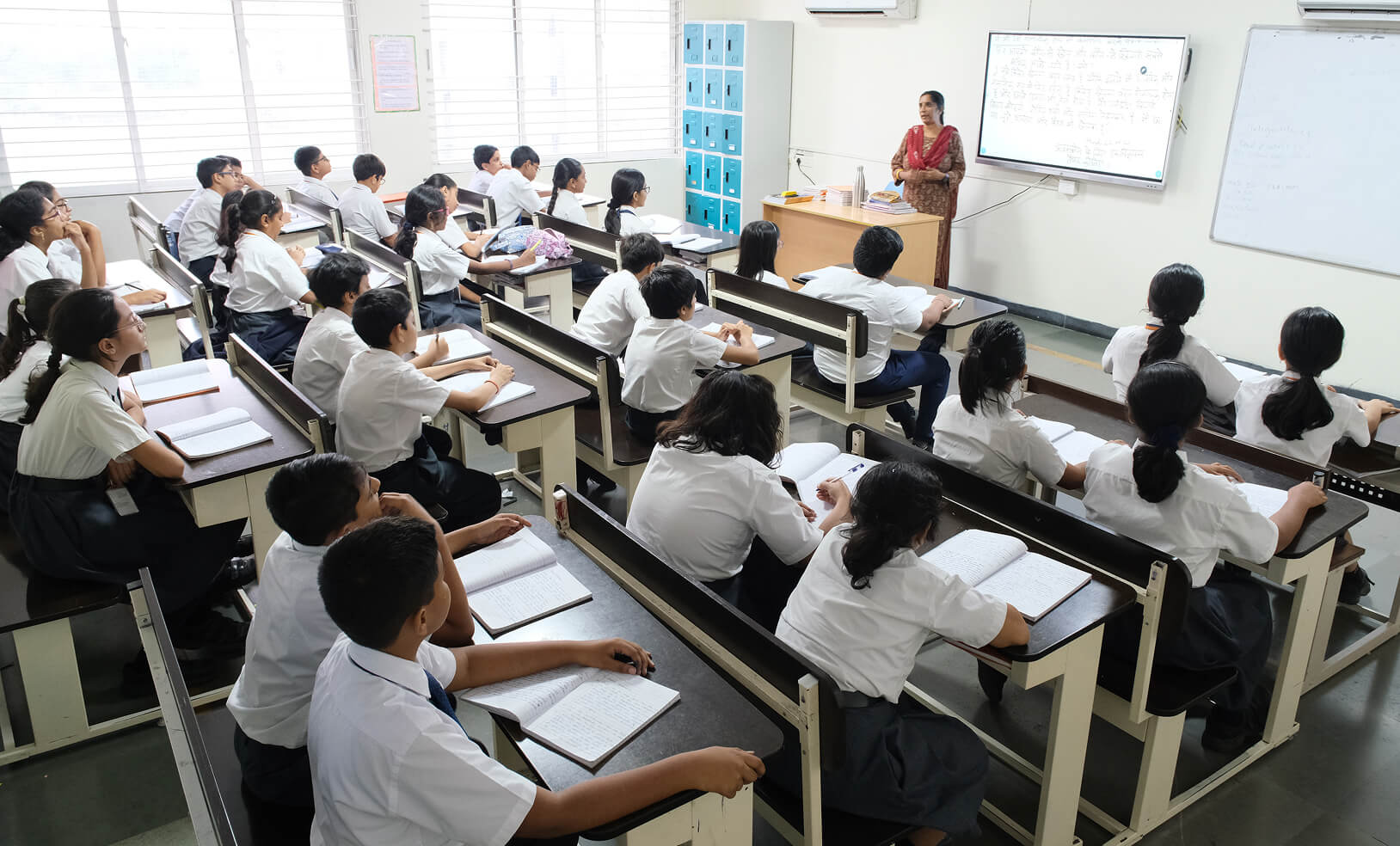
Textbooks are helpful, but learning is more than just facts and pages. Students understand lessons better when they practise applying concepts to real-world scenarios and solve problems independently. More organised thinking and practical knowledge are developed in students by schools that promote conversation, stimulate enquiries, and connect subjects to real-world situations. This type of approach serves as the foundation of education for 21st-century skills, where understanding and application are more important than simple memorisation.
What Skills Matter in the Modern World
Success in the modern world depends on having a clear mind, working with others, and being flexible to change.
Thinking Beyond Marks
Academic success is no longer the only ability required in today’s environment. The way students think, reason, and react to events is more important in today’s classrooms than their memorisation skills.
Collaborating and Interacting with Others
Students who can work together well and communicate effectively are valued by communities and employers. Growth on both a personal and professional level greatly depends on one’s capacity for idea sharing, polite listening, and teamwork.
Changing with the Times
Since the modern world is always changing, students need to learn what it takes to confidently adapt to new situations. Through the teaching of 21st-century skills, schools that encourage adaptability and problem-solving help students in building a solid foundation.
Designing Classrooms That Invite Curiosity
A Classroom Where Students Feel at Ease
Students participate in class more freely and openly when there is a positive environment.
Space for Questions and Exploration
Curiosity grows when students are free to question ideas and explore topics beyond surface-level answers. When different views are welcomed, learning feels active rather than restricted.
Confidence to Try and Learn
Students participate more when they know that mistakes are part of progress. Removing the fear of being wrong encourages them to think independently and engage meaningfully with 21st-century skills education.
Encouraging Students to Clearly Express Their Ideas
Students who understand how to express their ideas clearly are more successful in school and in life. Speaking is just one aspect of communication; other aspects include listening and understanding.
Encouraging Students to Clearly Express Their Ideas
Students who understand how to express their ideas clearly are more successful in school and in life. Speaking is just one aspect of communication; other aspects include listening and understanding.
Schools can improve communication by:
Including group discussions.
Encouraging presentations.
Supporting writing activities.
Clear expression strengthens confidence and supports 21st-century skills education across subjects.
Learning to Work Together, Not Just Alone
Teamwork teaches students how to respect others and solve problems together. Learning together reflects real-world situations.
Schools can promote teamwork by:
Assigning group projects.
Encouraging shared responsibilities.
Teaching conflict resolution.
These experiences play an important role in 21st-century skills education.
Bringing Real-World Situations into Lessons
When students see how learning applies to real life, they become more interested and involved in their studies. Lessons feel more meaningful when students understand how knowledge is used beyond the classroom.
Teachers can:
Use practical examples from everyday life.
Discuss real-life problems that students can relate to.
Connect lessons to daily situations at home or in the community.
Encourage students to find real-world uses of what they learn.
Use case studies, news events, or simple scenarios to explain concepts.
This approach supports 21st-century skills education by helping students understand the purpose of learning and apply knowledge with confidence.
Creating Space for Original Ideas
Students are allowed to study topics in their own ways thanks to original thought. In addition to art and music, creativity includes problem-solving and original thought. Students feel free to express themselves without worrying about being judged when schools value original ideas, permit creative projects, and ask open-ended questions. This environment develops independent thought in students and naturally and meaningfully promotes the teaching of 21st-century skills.
Teaching Kids How to Use Technology Sensibly
Only when students use technology carefully can it help in their education. When it comes to using digital tools, schools need to teach students the value of self-control, balance, and purpose.
Developing Smart Digital Practices
Students need advice on how to use digital platforms responsibly, be safe online, and locate trustworthy information. They become responsible users when they learn how to conduct proper research and safeguard personal data.
How to Respectfully Communicate Online
Digital communication demands the same deference as in-person communication. In today’s connected world, teaching children how to communicate nicely and safely online is important for 21st-century skills education.
Supporting Emotional Strength in Students
Emotional strength helps students handle pressure and setbacks. Schools should support emotional growth daily.
This can include:
Teaching stress management.
Encouraging empathy.
Supporting self-confidence.
Emotional well-being strengthens 21st-century skills education by creating balanced learners.
Letting Students Take Part in Decisions
When students are involved in decisions, they feel responsible and valued.
Schools can encourage participation by:
Asking for feedback.
Offering leadership roles.
Supporting student-led activities.
This builds independence and confidence.
How Educators Develop Skill-Based Learning
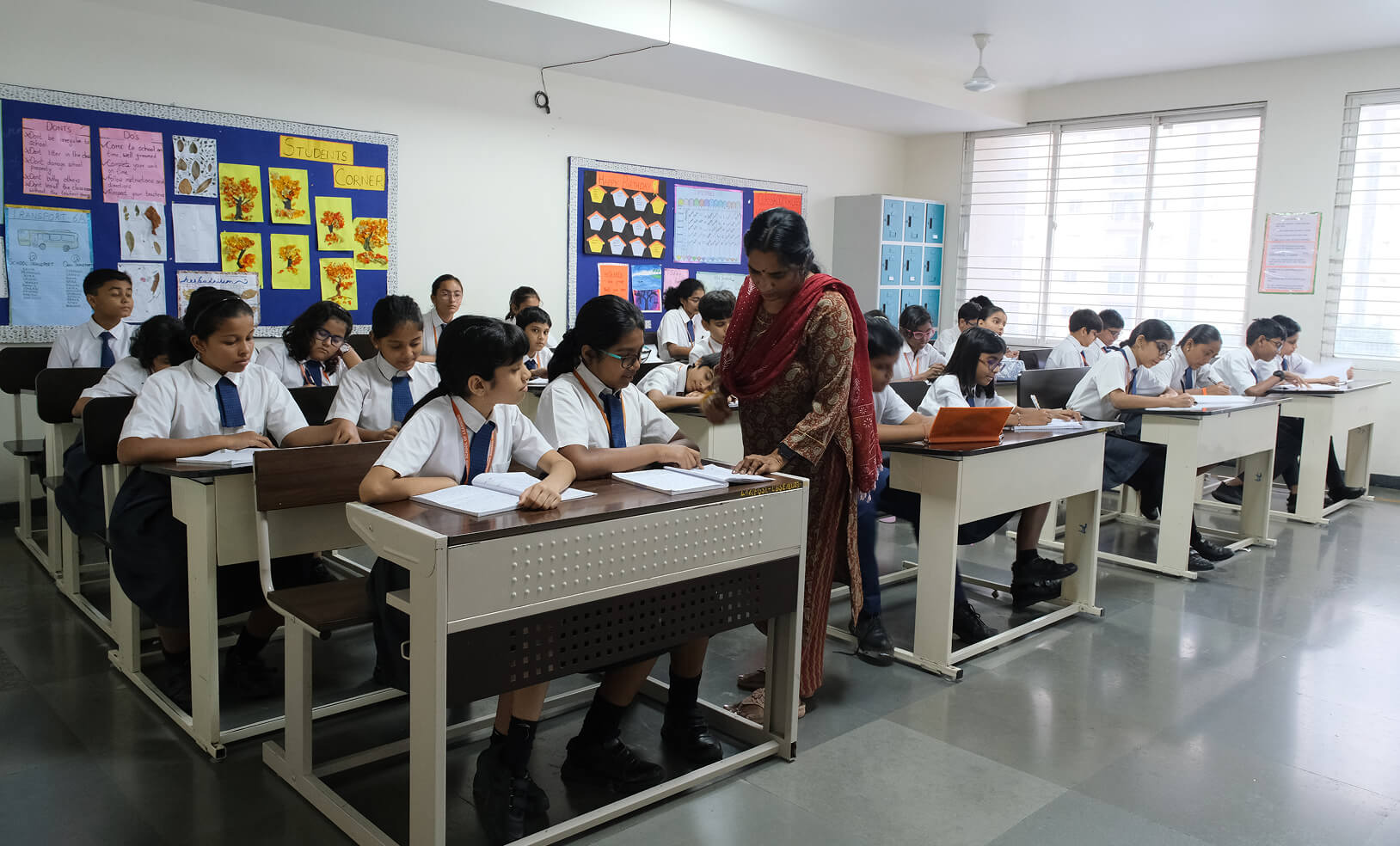
Teachers’ daily actions have a strong influence on how students learn and grow, as they guide and support skill development in the classroom. Teachers who work well help students at their own pace, develop curiosity, and respect various learning styles rather than simply providing information. Rather than providing planned solutions, they lead students through practice, thought, and conversation. Teachers make 21st-century skills education more interesting, useful, and meaningful for students by designing adaptable and encouraging learning opportunities.
Seeing Development Beyond Marks
Marks alone cannot show real learning; skills need different forms of assessment.
Schools can use:
Projects.
Presentations.
Practical tasks.
These methods reflect real understanding and support 21st-century skills education.
Educating Students for Daily Living
Students who develop life skills are better able to handle their everyday responsibilities.
Schools can teach:
Time management.
Decision-making.
Responsibility.
Problem-solving.
Basic financial awareness.
Self-discipline.
Together, these abilities provide a deep set of life skills that improve 21st-century skills education and prepare students for real-world challenges.
Working with Parents to Build Strong Skills
Regular communication.
Shared goals.
Learning support at home.
Encouraging reading and creativity.
Discussing challenges and progress.
Participating in school activities.
These additional points help create a stronger home–school connection, which further strengthens 21st-century skills education.
Accepting Change with Confidence
There will be more changes in the future. Students need to be prepared to accept change.
Schools should help students:
Accept change.
Stay curious.
Keep learning.
The core of 21st-century skills education is to prepare students for the future.
Different Methods and Different Speeds of Learning
Accept the fact that students learn concepts at various levels.
Create educational activities that focus on every individual’s skill.
Use a variety of teaching techniques to keep learning interesting and productive.
Promote independent and self-directed learning to boost self-assurance.
Let students improve without unnecessary pressure to prevent stress.
Support both accelerated and struggling learners to ensure everyone grows.
This inclusive and flexible approach helps all students thrive and strengthens 21st-century skills education.
Helping Students to Learn from Failures
Instead of seeing mistakes as failures, see them as chances to learn and grow.
Examine what went wrong and determine how to improve the next time.
Motivate kids to try new things and take measured chances fearlessly.
Support gradual improvement through practice and reflection.
Encourage hard work and determination to boost self-esteem.
Students who handle mistakes in this manner gain courage, problem-solving abilities, and long-term confidence—all of which are essential components of education for 21st-century skills.
Teaching Exploration Outside of the Classroom
Encourage students to look into topics that increase their interest outside the classroom.
Use experiments and practical exercises to make learning more applicable to real-world situations.
Ask questions and promote observation about everyday experiences.
Support creative projects that let students investigate new ideas.
Encourage self-directed learning through books, films, or the internet.
Offer options for clubs or group conversations based upon special interests.
Conclusion
Schools develop lifelong skills in addition to academic achievement. They prepare students for genuine situations by encouraging thinking, communication, creativity, and strong emotions. Students develop into self-assured individuals when learning is practical and encouraging. Schools may help students succeed in life and on tests by adopting 21st-century skills education.
Phoenix Green School helps students build the 21st-century skills they need to succeed in school and beyond, with personalised guidance and a nurturing environment.
Contact us right now to find out more about our curriculum!