We usually picture children sitting at desks and learning knowledge when we think about school. Children must develop emotionally, socially, and physically along with academics. This is what we call “holistic learning”. The “whole child” is the goal of holistic education schools, which help students in developing not just exam-taking abilities but also self-assurance, curiosity, and happiness. By promoting inquiry, creativity, and practical experiences, these educational institutions make learning relevant, enjoyable, and applicable to life outside of the classroom.
A Holistic School: What is it?
Learning in a holistic school is an exciting experience. Students in holistic education schools get to move, create, and solve real-world problems rather than just listening to a teacher lecture for hours. It is a place where being a good friend is just as important as being extremely good at mathematics.
Learning by Experience
Instead of just reading about plants, kids at holistic education institutions go outside and start a garden. Students retain information far better when they construct and grow things with their own hands than when they just look at pictures in a book.
Digging in: Children touch the soil and see life happen.
Real Tools: They use real buckets and seeds to learn science.
Memory: Moving around helps the brain lock in new facts.
Taking Care of Emotions
Children are taught at these schools that it’s acceptable to feel happy, sad, or furious. When things get tough, teachers in holistic education schools take the time to help students understand their feelings so they can remain composed and focused.
Feeling Safe: Kids discover that expressing their emotions is acceptable.
Deep Breaths: They discover how to maintain composure under pressure.
Kind Hearts: Being kind to others comes with knowing yourself.
Building Strong Friendships
Most of the day is spent working together. Children who attend holistic education institutions are taught how to help their classmates and exchange ideas, which develops a sense of community and support in the classroom.
Team Power: Children solve large puzzles in groups.
Listening: They learn to hear what their friends have to say.
Helping Hands: If a friend is stuck, others step in to help.
Maintaining Your Health and Activity
A tired body causes a weak mind. In order to keep students active and focused, holistic education institutions provide many opportunities for them to run, jump, and play outside.
Play Time: Running around awakens and sharpens the mind.
Energy: Children who are active have more energy to complete their lessons.
Enjoying the Great Outdoors
Forest School sessions are used by many holistic education schools, where learning takes place in natural environments. Children who spend time outside are more at ease, inquisitive, and aware of their surroundings.
Outdoor Learning: Learning in the great outdoors is calmer and more pleasurable.
Real Observation: Observing plants and insects up close teaches kids about them.
Respect for Nature: Spending time outside on a regular basis increases environmental awareness.
Thinking for Yourself
Rather than being instructed on what to believe, students are urged to ask “why” and “how”. Schools that practise holistic education want kids to be curious explorers who don’t mind trying new things or making mistakes.
Asking Why: When children ask plenty of questions, teachers are thrilled.
New Concepts: Students are allowed to experiment with various methods related to projects.
Being Brave: Making mistakes is a necessary step towards success.
Honouring Music and Art
Being creative is a way of thinking, not just a pastime. Every topic at holistic education institutions includes acting, singing, and painting so that students express themselves in unique and colourful ways.
Paint and Song: Music and art are part of every single day.
Big Smiles: Being creative makes school feel like a lot of fun.
Expression: Kids find different ways to show what they know.
Taking Your Own Time for Learning
It is a beautiful thing that each child is unique. Because holistic education institutions don’t require everyone to accomplish the same task at the same time, students are free to devote more time to activities they enjoy or more time to challenging subjects.
No Rush: Kids don’t need to be concerned about being “too slow”.
Expert Skills: If a child is great at something, they can go faster.
Personal Plans: Every child gets the help that fits them best.
Resolving Issues in a Peaceful Way
Friends are taught to pay attention to one another and work things out when they disagree. Kindness and “restorative justice,” which refers to resolving an issue by taking into account the feelings of others, are essential in holistic education schools.
Talk it Out: Instead of getting upset, children learn to use words.
Listening: They hear why their friend might be upset.
Fixed Hearts: Solving problems makes friendships even stronger.
Connecting Different Subjects
In some schools, science may be connected to history, or maths may be connected to music. By explaining to students how everything in the world is interconnected, holistic education schools make learning feel far more engaging and authentic.
Big Picture: Students see how maths helps them build birdhouses.
Woven Lessons: Science and art often happen in the same hour.
Real Meaning: Lessons feel like they matter in the real world.
Less Stress, More Joy
Because there isn’t a constant focus on scary exams, children feel much more relaxed. Students in holistic education schools actually look forward to going to school every morning because they feel safe and happy there.
No Fright: There are no scary tests to worry about every week.
Happy Days: School is a place children actually want to go to.
Calm Minds: A happy child is a child who is ready to learn.
Using Technology Wisely
Although they are useful, computers are not the only learning help. To prevent kids from looking at a screen all day, holistic education institutions strike a balance between screen time and real-world activities like constructing, sketching, and conversation.
Good Balance: Tablets are utilised for education, but not all day.
Real Tools: Children continue to learn with pencils, clay, and wood.
Eye Breaks: They spend a lot of time away from the screen.
Developing into a Good Citizen
Youngsters discover that they have the ability to help people both locally and globally. Students who attend holistic education schools are encouraged to learn about various cultures and customs and to participate in community projects.
Helping Others: Children are taught to treat everyone with kindness.
World Views: They gain knowledge about youngsters residing abroad.
Big Impact: Young children discover they are capable of great, positive things.
Preparing for the Real World
Life after school requires more than just knowing facts; it requires being brave and flexible. Holistic education schools give children the confidence to face the future with a smile, knowing they have the skills to handle whatever comes their way.
Life Skills: Kids learn to cook, clean, and fix things.
Future Ready: They are ready for big schools and new jobs.
Confidence: Knowing they can learn anything makes them brave.
A Unique Connection with Teachers
Teachers behave less like strict employers and more like helpful mentors or advisers. Teachers in holistic education schools are able to provide the best support since they truly get to know each child’s personality.
Kind Guides: Teachers are helpful, like big brothers or sisters.
Trust: Students feel comfortable discussing anything with their professors.
Deep Care: Each child has a genuine sense of belonging in the classroom.
Why This Way of Learning Works?
Children learn better when they feel safe, understood, and valued. Holistic education schools encourage curiosity instead of pressure. Learning feels meaningful, not rushed or exam-focused. The K–12 years benefit most, as personality and values develop during this time. Students grow into confident, kind, and well-rounded individuals.
A Healthier Way to Grow
Many families feel that schooling has become too focused on ticking boxes and test scores. Holistic education schools offer a more balanced and thoughtful approach. They see children as individuals with future roles beyond exams and classrooms. By encouraging mindfulness, character, and emotional wellbeing, these schools reduce burnout. Children learn how to work hard without feeling constantly pressured. When learning includes balance and enjoyment, students feel calmer, more motivated, and more engaged. This whole-child focus creates better outcomes for students, teachers, and families alike.
How to Spot a Holistic School?
Holistic education schools feel different the moment you walk in; you may see flexible seating, group activities, or learning taking place outdoors. In addition to academic disciplines, these schools place a high focus on leadership, teamwork, and communication. The goal is to teach kids how to think, adapt, and collaborate with others. Students are prepared for life, not just tests, using this method.
Conclusion
Beyond the school years, holistic education schools have a lasting impact. Students build a strong belief of self, clear values, and the confidence to make thoughtful choices. They acquire the ability to think independently and creatively. These schools develop empathy, critical thinking, and adaptability—skills that help kids develop into responsible and compassionate people in a changing world—by acknowledging each child as an individual.
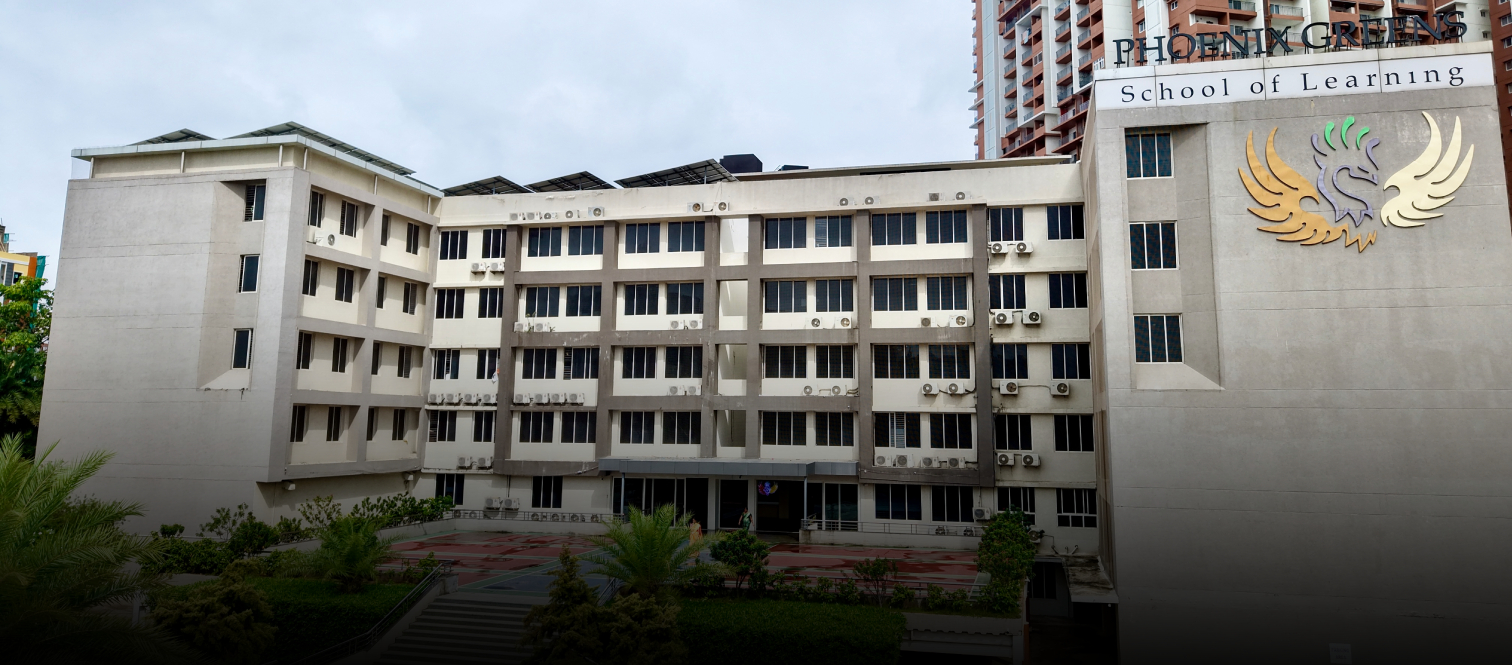
At Phoenix Greens School, children are supported to learn, grow, and feel confident in themselves.
Contact us right now to find out more about our curriculum!